
Implementing classroom mindfulness brings calm and clarity to students. Integrative practices foster focus and stress relief for every learner.
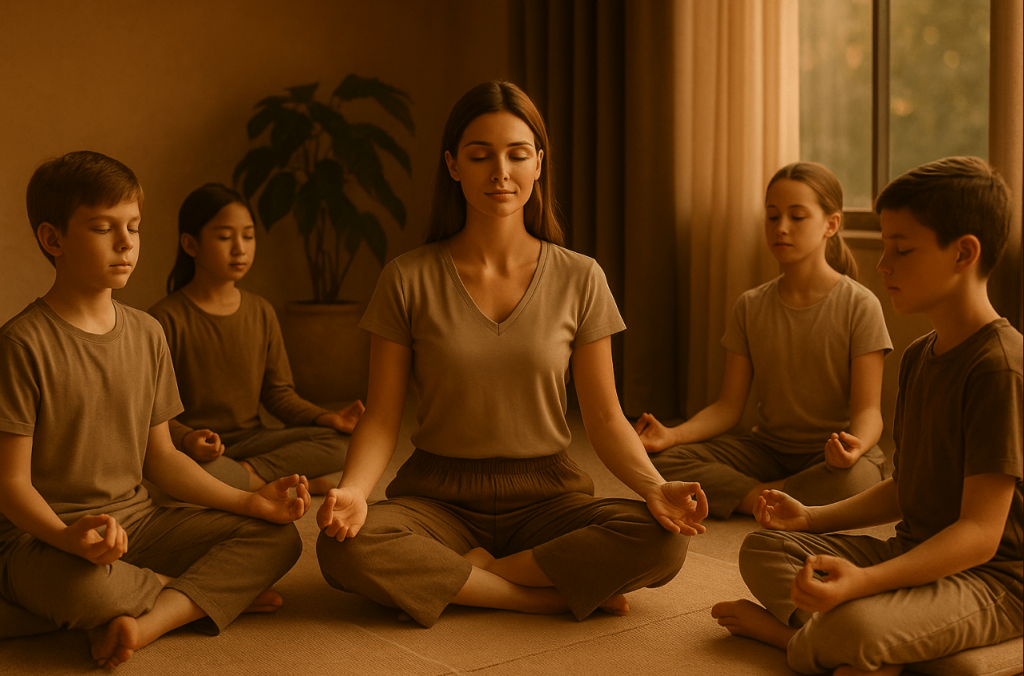
Our streamlined courses offer essential mindfulness techniques that fit seamlessly into the school day. Experience improvements in classroom atmosphere, stress management, and teacher wellbeing with practices that are effective and easy to integrate for success.
Our comprehensive mindfulness courses are thoughtfully structured to provide practical strategies that resonate with teachers. The curriculum blends theory with hands‐on exercises such as guided meditation, reflective journaling, and group discussions, enabling educators to apply mindful techniques directly in their classrooms. This course not only refines personal awareness but also cultivates a more empathetic and patient classroom environment, addressing common challenges while nurturing mental and emotional well‐being.
Our innovative course framework is divided into three distinct phases, each building upon the previous one to deepen your mindfulness practice. Educators are gradually introduced to core principles, experiential learning, and implementation strategies that seamlessly integrate into everyday teaching. This structured approach ensures that every teacher, regardless of experience, gains confidence and practical tools to foster a mindful classroom environment.
Step 1
In the first phase, teachers learn the basics of mindfulness including breathing exercises, body awareness, and simple meditation techniques. This foundational step is essential for building personal resilience and establishing a calm state of mind. Through guided practice and reflective activities, educators gain skills to recognize stress triggers and develop a more centered presence both in and out of the classroom.
Step 2
The second phase emphasizes integrating mindfulness techniques into the classroom setting. Teachers explore strategies to incorporate short mindful breaks, visualization exercises, and group activities that promote reflection and concentration. By adapting these techniques to real classroom scenarios, educators learn how to boost student engagement and cultivate a harmonious learning atmosphere.
Step 3
In the final phase, the focus shifts to sustaining mindfulness practices and optimizing classroom interactions. Teachers are guided through advanced methods to manage disruptions and foster an inclusive environment where every student feels valued. This phase reinforces practical applications of mindfulness, encouraging educators to refine their approaches for long‐term benefits in teaching effectiveness and personal growth.
Educators consistently choose our mindfulness courses because they offer practical, research‐based techniques that deliver immediate and lasting benefits. Our program is designed to reduce stress, improve focus, and transform classroom dynamics. Many teachers report enhanced patience, clearer communication, and a renewed passion for teaching, all of which contribute to a more engaging learning experience and supportive school community.

Mindfulness training offers a range of benefits that extend well beyond personal well-being. Educators learn to manage stress more effectively and foster a calm classroom ambiance. Improved focus, emotional stability, and enhanced interpersonal skills are just a few advantages. Many participants experience a boost in overall life satisfaction that translates into more thoughtful, responsive interactions with students and peers.
By adopting mindfulness techniques, teachers achieve enhanced classroom focus. Students benefit from an environment where distractions are minimized and learning objectives become clearer. Regular practice supports better concentration and a balanced mindset, enabling educators to remain present during challenging situations while delivering lessons with clarity and care.
Mindfulness practices provide proven stress reduction techniques that help teachers manage daily challenges. Through mindful breathing and reflective pauses, anxiety is reduced and relaxation is embraced. This proactive approach not only contributes to improved personal health but also creates a positive atmosphere in the classroom, making it easier to handle unexpected disruptions calmly.
Achieving better emotional balance is a key benefit of mindfulness training. Teachers learn to acknowledge and regulate their emotions, leading to measured responses during stressful moments. This emotional stability fosters a supportive classroom climate where educators can connect more authentically with their students, ultimately creating a space that is both understanding and nurturing.
Enhanced self-awareness is cultivated through mindfulness exercises that encourage introspection and insight. Educators discover personal strengths and identify areas for growth, enabling them to make more deliberate choices. This heightened awareness benefits both professional practice and personal life, empowering teachers to adapt their methods and overcome challenges with a focused mind.

Below are answers to common questions about our mindfulness courses. These insights are designed to help educators understand how the program works, what to expect in each session, and ways to integrate mindfulness seamlessly into your daily teaching practices.
In your first mindfulness session, you will be introduced to basic breathing techniques and guided meditation practices. The session is structured to create a relaxed, welcoming atmosphere where you can explore mindfulness without pressure. Group activities and reflective exercises set a supportive foundation for a journey that enhances both teaching performance and personal well-being.
These courses provide practical tools that directly improve classroom management and communication. With reduced stress and increased focus, you will connect more effectively with students and foster a dynamic learning environment. The adaptable techniques learned here bring noticeable improvements to your teaching strategies.
Each module is designed to be concise yet impactful, typically lasting one to two hours. The flexible format accommodates your busy schedule so you can integrate mindfulness practices into your routine without feeling overwhelmed, ensuring that every session contributes meaningfully to your overall growth.
Mindfulness sessions are scheduled on a weekly basis, allowing you to steadily build and refine your practice. This regular cadence helps integrate mindfulness into your routine, supporting gradual improvements and providing continuous opportunities to enhance your skills while balancing teaching demands.
Educators from diverse backgrounds have experienced transformative benefits from our mindfulness courses. Their feedback reveals significant improvements in classroom management, personal well-being, and overall teaching effectiveness, underscoring the practical impact of our program.
Many teachers report a renewed sense of calm and enhanced ability to manage classroom challenges after participating in our courses. They value the practical techniques and supportive community that accompany each session, which together lead to a more vibrant and effective teaching experience.
Sara H.
I discovered a newfound balance in my classroom after enrolling in this mindfulness course. The easy-to-follow exercises have transformed my approach to managing stress and engaging with students, resulting in a calmer, more supportive learning environment that benefits everyone.
Kelly
Participating in these courses has been life-changing. Each session provided practical strategies that I could immediately apply in class. I now approach each lesson with clarity and calm, and my students appreciate the positive, centered atmosphere that has emerged in our classroom.
Tony